
 By
By 
For generations, the adult novelty industry operated entirely on the fringes of society. Transactions were carried out in hushed tones, manufacturing standards were unregulated, and consumers faced significant social taboos and moral judgment. Today, this landscape has completely transformed. What was once considered an illicit subculture has emerged as a multi-billion-dollar global sexual wellness market.
The growing acceptance of adult products in mainstream culture represents a profound shift in societal attitudes toward physical pleasure, bodily autonomy, and holistic health. This normalization has been driven by a combination of generational shifts, corporate rebranding, advancements in design and technology, and a broader public understanding of the relationship between sexual satisfaction and overall mental and physical well-being.
The Rebranding of Pleasure as Sexual Wellness
One of the most significant factors in moving adult novelties into the mainstream is a radical shift in terminology and framing. The industry has largely discarded clinical or purely provocative marketing languages in favor of a holistic wellness narrative.
Integration into Personal Self-Care
Modern adult products are increasingly marketed alongside high-end skincare, vitamins, and fitness equipment. This repositioning frames sexual pleasure not as an isolated, secretive indulgence, but as an essential pillar of comprehensive physical and emotional self-care. Clinicians, therapists, and wellness advocates routinely discuss how healthy intimacy reduces cortisol levels, improves sleep quality, boosts immune function, and strengthens relationship bonds, giving consumers a scientifically grounded justification to explore these products.
De-stigmatization Through Inclusive Language
Historically, adult products were marketed using heavily gendered and highly objectifying tropes. The contemporary sexual wellness sector, however, prioritizes gender-neutral marketing, body positivity, and inclusivity. By focusing on anatomy, comfort, and safety rather than performance anxiety or taboo fantasies, brands have made their products approachable to a vastly broader demographic, including women, older adults, and LGBTQ communities.
Aesthetic Revolution and High-End Retail Integration
The physical and digital presentation of adult products has undergone an aesthetic overhaul that mirrors premium consumer electronics and luxury cosmetics. This design revolution has broken down the visual barriers that previously reinforced the societal stigma.
Elegant and Minimalist Product Design
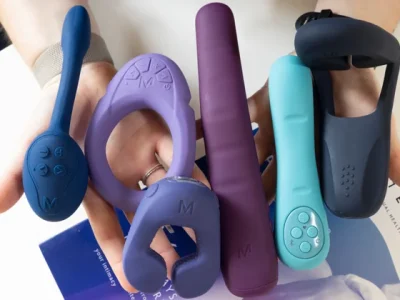
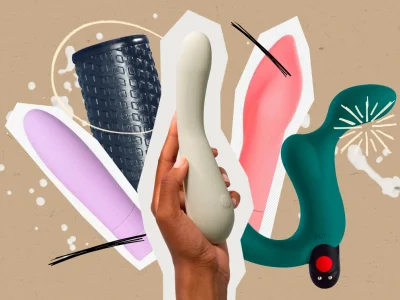
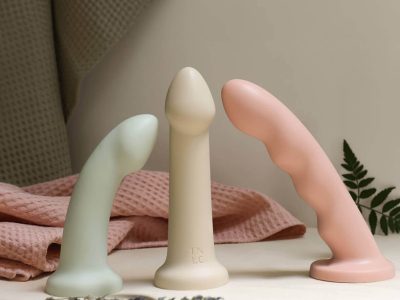
Gone are the days of garish, anatomically exaggerated products made from cheap, porous materials. Modern devices feature sleek, minimalist geometry, soft matte textures, and muted pastel color palettes. Many contemporary intimacy products are designed so elegantly that they blend seamlessly into a modern home environment, closely resembling high-end smart home appliances or abstract decorative art. This deliberate design choice removes the element of shame and fear of discovery for the user.
Transition to Mainstream E-Commerce and Retail
The retail environments for these products have shifted from dimly lit storefronts on the outskirts of cities to bright, minimalist boutiques in trendy shopping districts. Even more telling is the integration of sexual wellness items into mainstream retail platforms. Major department stores, luxury beauty counters, and digital pharmacies now stock high-quality intimacy devices alongside everyday personal care items. This commercial validation has normalized the purchasing process, rendering it as mundane as buying a premium electric toothbrush.
The Role of Media, Celebrity Endorsement, and Pop Culture
Pop culture has acted as a powerful accelerator for social acceptance, steadily dismantling long-standing taboos through open representation and mainstream exposure.
-
Celebrity Entrepreneurs and Ambassadors: High-profile actors, musicians, and wellness influencers have launched their own sexual health lines or signed on as creative directors for established intimacy brands. When trusted public figures openly discuss and endorse these products, it lends immense social credibility and validates the consumer choices of millions of individuals.
-
Positive Media Representation: Television series, documentaries, and lifestyle publications frequently feature storylines or articles that normalize the use of adult products within healthy, functional relationships. These narratives replace the outdated trope of the lonely or deviant user with relatable, emotionally mature characters who utilize intimacy tools to enhance their partnerships or explore personal autonomy.
-
The Rise of Educational Influencers: Digital platforms have given rise to a new generation of certified sex educators and intimacy coaches. Through accessible, informative video content, these professionals discuss anatomy, relationship communication, and product functionality, replacing historical misinformation with factual, empowering education.
Technological Innovation and Safety Regulations
The normalization of adult products is also deeply intertwined with technological maturation and rigorous consumer safety standards. As tech firms entered the wellness space, they brought engineering standards that legitimized the entire sector.
Material Safety and Regulation
Early adult novelties often contained harmful chemicals, heavy metals, or porous materials that could cause infection. The modern industry relies heavily on medical-grade, non-porous silicone and biocompatible materials. Regulatory scrutiny and third-party safety testing have become industry standards, reassuring consumers that the products they bring into their most intimate spaces conform to strict health guidelines.
App Interactivity and Teledildonics
The integration of Bluetooth connectivity, smartphone applications, and haptic feedback loops has turned adult products into sophisticated tech devices. Long-distance couples use synchronized internet-connected devices to maintain intimacy across continents, while others utilize app-guided pelvic floor training devices for physical therapy and postpartum recovery. This intersection of medical utility and high-tech connectivity has firmly cemented the industry within the broader tech and health ecosystems.
Changing Demographics and Relational Dynamics
As societal structures evolve, the way people approach romance, dating, and singlehood is changing, creating new pathways for the acceptance of intimacy products.
Empowered Singlehood and Solo Pleasure
Modern culture increasingly validates being single as a deliberate and fulfilling lifestyle choice rather than a temporary waiting room for marriage. Within this framework, solo pleasure is recognized as a healthy expression of personal autonomy. Adult products allow individuals to explore their own bodies and understand their preferences independently, which fosters greater body confidence and self-awareness.
Enhancing Marital and Long-Term Partnerships
Far from being viewed as a threat to a partner or a sign of relationship failure, adult novelties are now widely accepted as valuable tools for relationship enhancement. Couples use these devices collaboratively to bridge gaps in desire levels, introduce novelty into long-term marriages, or navigate physical limitations brought on by aging or medical conditions. This collaborative approach removes competitive anxiety and strengthens communication regarding mutual satisfaction.
Frequently Asked Questions
Are modern adult products subject to government health regulations?
While the regulatory landscape varies by country, the industry has shifted toward self-regulation and adherence to strict global safety protocols. Premium manufacturers voluntarily utilize medical-grade, body-safe materials that comply with international standards like the Restriction of Hazardous Substances directive, ensuring products are free from phthalates, lead, and toxic plastics.
How has the mainstreaming of these products impacted older generations?
The sexual wellness narrative has been incredibly liberating for aging populations. Doctors and senior health advocates now openly discuss how intimacy devices can alleviate physical discomfort associated with menopause, assist individuals navigating erectile dysfunction, and provide companionship and emotional relief for seniors who face isolation.
Do mainstream retail stores display adult wellness products differently than adult stores?
Yes, mainstream retailers apply a beauty and personal care merchandising strategy. Products are displayed in brightly lit, open aisles with clean, informative packaging that emphasizes health benefits, material quality, and tech features, ensuring the shopping experience feels clinical, safe, and entirely comfortable for everyday consumers.
What is the connection between pelvic floor therapy and adult novelty products?
The boundary between medical devices and pleasure products has blurred significantly. Many smart wellness devices are designed specifically for pelvic floor rehabilitation, utilizing biofeedback sensors and interactive apps to help individuals strengthen muscles to treat incontinence, assist in postpartum recovery, and enhance physical sensitivity.
How do long-distance couples utilize modern intimacy technology?
Through a field known as teledildonics, devices can connect via secure internet servers to companion applications. This allows an individual in one location to control the movements, vibration frequencies, and intensities of their partner’s device in real time from anywhere in the world, bridging the physical gap in long-distance relationships.
Has the increased visibility of adult products reduced relationship insecurity?
Yes, because education has replaced comparison. When pop culture and educators normalize the fact that individuals possess varying paths to satisfaction, it removes the pressure on partners to be the sole source of physical validation. Devices are increasingly viewed as helpful additions to intimacy rather than replacements for a partner, which reduces competition and insecurity.
What data privacy measures exist for app-connected wellness devices?
Leading sexual wellness technology companies employ advanced data security frameworks, including end-to-end encryption for Bluetooth and Wi-Fi data transfers. Many premium applications allow users to operate devices anonymously without linking accounts to personal emails or social media profiles, protecting user privacy from digital vulnerability.






Comments